
|
|
How To Create a Pollinator Garden
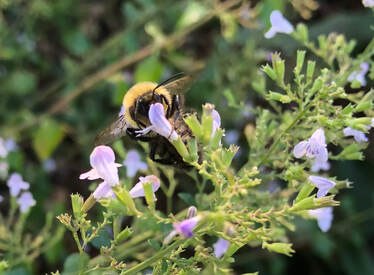
The basic idea is to avoid chemical fertilizers and pesticides which are harmful to pollinators (and the rest of the planet). Sadly many places sell plants treated with neonicotinoids. These plants continue to poison any pollinator that visits them. So it's important to buy your plants from places that don't use these pesticides. Here in the Boston area, Mahoney's, Native Plant Trust and Allandale Farm don't use them. Big box stores do use neonicotinoids, although they are under growing pressure to change their practices.
Then you want to try to get native plants which are best suited to supporting native pollinators. Some common ones are Black-Eyed Susan, Bee Balm, Echinacea, and Columbine. But there are lots, lots more. It's good to plant in multiples since pollinators like to save energy and hate to travel far for the next flower. Finally, it's good to have something in bloom throughout the season, and a shallow dish for water.
Below are some helpful links. We find Suzuki's is the most comprehensive.
Finding Native Plant Nurseries: “Plant Native.org” and Other Helpful Resources - EcoBeneficial! ®
https://www.ecobeneficial.com/great_resources/finding-native-plant-nurseries-plant-native-org-and-other-helpful-resources/
https://davidsuzuki.org/queen-of-green/create-pollinator-friendly-garden-birds-bees-butterflies/
https://xerces.org/pollinator-conservation
https://www.pollinator.org/guides#all
https://www.pollinator.org/gardencards
You don't have to do this by yourself. Many gardeners and landscapers follow best practices for supporting pollinators. There are many nurseries country wide that will ship native plants to you (see links page for more details.) Please feel free to be in touch with questions. If you want to come and help us weed at any point, we'd be glad to see you!
Then you want to try to get native plants which are best suited to supporting native pollinators. Some common ones are Black-Eyed Susan, Bee Balm, Echinacea, and Columbine. But there are lots, lots more. It's good to plant in multiples since pollinators like to save energy and hate to travel far for the next flower. Finally, it's good to have something in bloom throughout the season, and a shallow dish for water.
Below are some helpful links. We find Suzuki's is the most comprehensive.
Finding Native Plant Nurseries: “Plant Native.org” and Other Helpful Resources - EcoBeneficial! ®
https://www.ecobeneficial.com/great_resources/finding-native-plant-nurseries-plant-native-org-and-other-helpful-resources/
https://davidsuzuki.org/queen-of-green/create-pollinator-friendly-garden-birds-bees-butterflies/
https://xerces.org/pollinator-conservation
https://www.pollinator.org/guides#all
https://www.pollinator.org/gardencards
You don't have to do this by yourself. Many gardeners and landscapers follow best practices for supporting pollinators. There are many nurseries country wide that will ship native plants to you (see links page for more details.) Please feel free to be in touch with questions. If you want to come and help us weed at any point, we'd be glad to see you!
Organic, Homemade, and Agricultural Alternatives to Pesticides
ConsumerNotice.org has a comprehensive guide of options without glyphosate:
https://www.consumernotice.org/environmental/pesticides/roundup/alternatives/
https://www.consumernotice.org/environmental/pesticides/roundup/alternatives/